Don't Judge the Book by Its Cover: Tips for Parents in Choosing Books for Kids
Sometimes it is hard to determine which books to buy for their children. This aims to serve as a guide for parents who are looking for quality reading materials for their children and offers advice for building a family library.

Many children are introduced to books that do not interest them. They find these books boring and make the assumption that all books are boring. This can lead to a lifelong disdain for reading. Fortunately, there are steps that parents can take to help their children find interesting and challenging reading materials and foster a love of reading.
Choosing Books
Before going book shopping ask your child to list their hobbies and interests. Ask if there is a specific type of book they are interested in. Remember there are many types of books, not just fiction! There are a lot of great non-fiction books that are written with elementary and middle school children in mind.
Make sure to bring your child with you to the bookstore. Allow them to browse in the children's section and see if there are any particular kinds of book they are attracted to. Before buying a book for an early elementary aged child, ask them to read you a page or two. If the book is too advanced for your child they will become frustrated and the experience may discourage them from continuing to explore reading.
Recommended Books
Parents can also consult school teachers, librarians and other parents about quality books that children will enjoy. Many teachers have recommended reading lists that they distribute to their students and families at the beginning of the year. These are books the teacher has read and thinks will benefit be of benefit to the children in their class.
Your local librarian will be able to order books from other libraries if your brach does not have a particular title in stock. Book lists are another way to find suitable books for your family. Reputable organizations that compile reading lists include the American Library Association and the Children's Book Guild.
Creating a Family Library
Setting aside a special place in your home for books doesn't have to be a huge project, but it can make an immense difference in your child's reading education. If you have an empty corner or space in your family or living room, this is the perfect area to place a large bookshelf.
Displaying books with the cover facing out will also entice children to read the book. This is especially true if the book has a bright and lively cover, which most children books do.
You do not have to buy brand new expensive books to start your family library. Instead, make sure that the books you get are ones that will be read and loved by the family. Once the library concept catches on, you can start to buy family members books for presents. This will help you increase the contents of the library without making unexpected purchases. You can also take your children to used book stores to find new literary favorites. Most used book stores will have a children's section that will be stocked with excellent reading materials. With time, you will have filled your bookcase and started a new family tradition.
Other Articles You May Be Interested In
-
Great Read Aloud Books: The Monster at the End of This Book
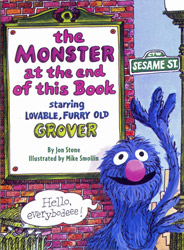
'The Monster at the End of This Book,' which stars 'lovable, furry old Grover' from 'Sesame Street,' is a widely cherished picture book released by Golden Books in 1971. The postmodern story was written by Jon Stone and illustrated by Michael Smollin.
-
Boston Globe-Horn Book Awards for Children's Books: Non-Fiction Winners
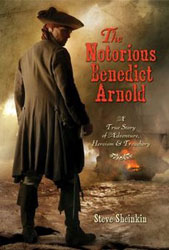
The 2011 Boston Globe - Horn Book Awards for Excellence in Children's Literature were recently announced. Steve Sheinkin's 'The Notorious Benedict Arnold: A True Story of Adventure, Heroism & Treachery' is the winner in the non-fiction category. Also receiving honors are 'Into the Unknown: How Great Explorers Found Their Way by...
We Found 7 Tutors You Might Be Interested In
Huntington Learning
- What Huntington Learning offers:
- Online and in-center tutoring
- One on one tutoring
- Every Huntington tutor is certified and trained extensively on the most effective teaching methods
K12
- What K12 offers:
- Online tutoring
- Has a strong and effective partnership with public and private schools
- AdvancED-accredited corporation meeting the highest standards of educational management
Kaplan Kids
- What Kaplan Kids offers:
- Online tutoring
- Customized learning plans
- Real-Time Progress Reports track your child's progress
Kumon

- What Kumon offers:
- In-center tutoring
- Individualized programs for your child
- Helps your child develop the skills and study habits needed to improve their academic performance
Sylvan Learning
- What Sylvan Learning offers:
- Online and in-center tutoring
- Sylvan tutors are certified teachers who provide personalized instruction
- Regular assessment and progress reports
Tutor Doctor
- What Tutor Doctor offers:
- In-Home tutoring
- One on one attention by the tutor
- Develops personlized programs by working with your child's existing homework
TutorVista
- What TutorVista offers:
- Online tutoring
- Student works one-on-one with a professional tutor
- Using the virtual whiteboard workspace to share problems, solutions and explanations