Elementary Reading: Introducing Fiction Genres to Elementary Students
Sixth grade students are expected to understand the characteristics of various fictional genres. Parents can aid their fifth and sixth grader by exposing them to these books at home. Read on to learn more about introducing new genres to elementary school students.

Fiction novels bring immense enjoyment and can teach individuals lessons about life, and the universal truth's of the world. Children can benefit from reading works of fiction. Educators and state officials have discovered this, recommending that students are exposed to and understand the various concepts and characteristics of various fiction genres, including fantasy, historical fiction, mystery, and science fiction.
Fantasy
Works of fantasy contain at least some elements that could not exist in real life. There are two main divisions in fantasy novels: Traditional and modern. Traditional fantasy includes folk tales, fables, epics, myths, legends and religious stories. These traditional stories allow children to hope and dream while learning moral and practical lessons. A common theme in traditional fantasy is good versus evil and the triumph and victory of the good characters. Sleeping Beauty is an example of a traditional fantasy tale.
Modern fantasy stories are similar to their traditional counterparts, but use the modern world or life as the basic setting and add fantastical characteristics, like magic for instance. The famous Harry Potter series a great example of modern fantasy. In order for students to thoroughly enjoy fantasy books, they must have the ability to picture the settings and fantastical elements in their mind. Parents can help their children immerse themselves in fantasy novels by encouraging them to draw what they imagine the main character and setting to look like. These activities will encourage an elementary student to think about and investigate the details that bring fantasy to life.
Historical Fiction
Historical fiction provides an accurate portrayal of life during a particular time period, although many details about characters and events are based simply on an author's conjecture and are not necessarily true. This genre is typically used for middle school or high school students but can used with success in teaching younger students important lessons. Elementary students are usually introduced to historical fiction that takes place in their own country because it is more relatable. One recommended historical novel is Out of the Dust by Karen Hesse. Hesse accurately portrays the life of a young girl during the Great Depression. The main character lives in the Midwest and her life is turned upside-down by the Dust Bowl.
Mystery
Mystery is another genre introduced to children in elementary school. Mystery novels involve a suspenseful event, often a crime, in which the reader receives clues to solve the mystery. The central character of a mystery novel is usually a detective, police officer, or other investigator who the reader can understand or identify with. These novels usually employ the technique known as foreshadowing. Foreshadowing is when the author leaves clues of possible outcomes. Children should be encouraged to look for foreshadowing, which helps to sharpen their reading comprehension and attention to detail. The mystery genre is also appropriate for third, fourth, fifth and sixth graders because it encourages the development of logic and reasoning skills. Children who enjoy math usually love mystery novels because they require similar, logical thought processes. Examples of elementary student appropriate mystery novels are the Nancy Drew and Hardy Boys series. Children love them because the main characters are young adults using their wits and courage to solve crimes in their communities. Young readers can relate to these characters and imagine themselves in similar situations. A fun exercise for the young mystery fan is to formulate a hypothesis after each chapter and see how many times their predicted outcome changes by the end of the novel.
Science Fiction
Science fiction is technically a type of modern fantasy. This genre explores the possibilities of science and how it relates to the changes in human (or alien) life. Many science fiction novels not only explore fantasy and possible advancements in science but also discuss ethical issues. Adult science fiction is often dark and cynical but children's science fiction focuses more on adventure and exploration instead. Science fiction novels tend to be more advanced than other novels because the genre relies on scientific facts and intricate details. Monitor your child's progression in a science fiction novel and ask them questions to make sure they understand the intricacies of the plot. A popular example of elementary science fiction is The Giver by Lois Lowry.
Expose your child to fantasy, historical fiction, mystery and science fiction at home and you will see increased performance at school as well. All elementary aged students should understand the these and other genres of literature before ending their sixth grade year. Help your child to read these books at home in order to help them to recognize and understand other reading concepts at school.
Other Articles You May Be Interested In
-
Too Much Emphasis on Reading and Math?
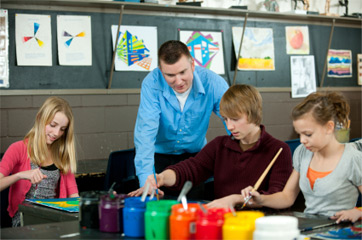
According to a large number of surveyed educators who teach grades 3-12, U.S. public schools are spending too much time on reading and math and not enough on other subjects. Yes, math and reading are important. But what about science, foreign languages and social studies?
-
New Mexico Governor Looks to Improve Reading Skills
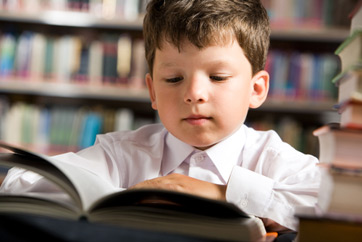
Is local government intervention necessary to improve proficiency in reading? It could be when your state is nearly dead last in education. Such could be the motivation behind a new bill proposed by the governor of New Mexico, a bill that calls for funding a new reading initiative. Does this $17 million proposal have a chance of...
We Found 7 Tutors You Might Be Interested In
Huntington Learning
- What Huntington Learning offers:
- Online and in-center tutoring
- One on one tutoring
- Every Huntington tutor is certified and trained extensively on the most effective teaching methods
K12

- What K12 offers:
- Online tutoring
- Has a strong and effective partnership with public and private schools
- AdvancED-accredited corporation meeting the highest standards of educational management
Kaplan Kids
- What Kaplan Kids offers:
- Online tutoring
- Customized learning plans
- Real-Time Progress Reports track your child's progress
Kumon

- What Kumon offers:
- In-center tutoring
- Individualized programs for your child
- Helps your child develop the skills and study habits needed to improve their academic performance
Sylvan Learning

- What Sylvan Learning offers:
- Online and in-center tutoring
- Sylvan tutors are certified teachers who provide personalized instruction
- Regular assessment and progress reports
Tutor Doctor

- What Tutor Doctor offers:
- In-Home tutoring
- One on one attention by the tutor
- Develops personlized programs by working with your child's existing homework
TutorVista

- What TutorVista offers:
- Online tutoring
- Student works one-on-one with a professional tutor
- Using the virtual whiteboard workspace to share problems, solutions and explanations